

In recent years, immigration enforcement in the United States has intensified, raising serious concerns about civil liberties, racial profiling, and the treatment of marginalized communities. Against this backdrop, people over papers has emerged as a powerful grassroots response, one that prioritizes human dignity, transparency, and community awareness over bureaucratic processes. This movement reflects a growing demand for accountability in immigration enforcement and a shift toward people-centered advocacy.
What Is People Over Papers?
At its core, people over papers is a community-driven initiative designed to document and share information about Immigration and Customs Enforcement (ICE) activity. Rather than relying solely on official government statements, the project centers on real-time reports submitted by individuals who witness enforcement actions in their neighborhoods.
The initiative operates on the belief that immigration policy should not dehumanize individuals or reduce them to documentation status alone. By highlighting lived experiences, the project aims to provide context, caution, and visibility to communities that may otherwise feel powerless or uninformed.
The Purpose Behind a Crowdsourced ICE Watch Map
Earlier versions of the project were shared through collaborative tools like people over papers padlet, which allowed communities to contribute sightings in a simple, visual format before the platform transitioned to more scalable mapping solutions.
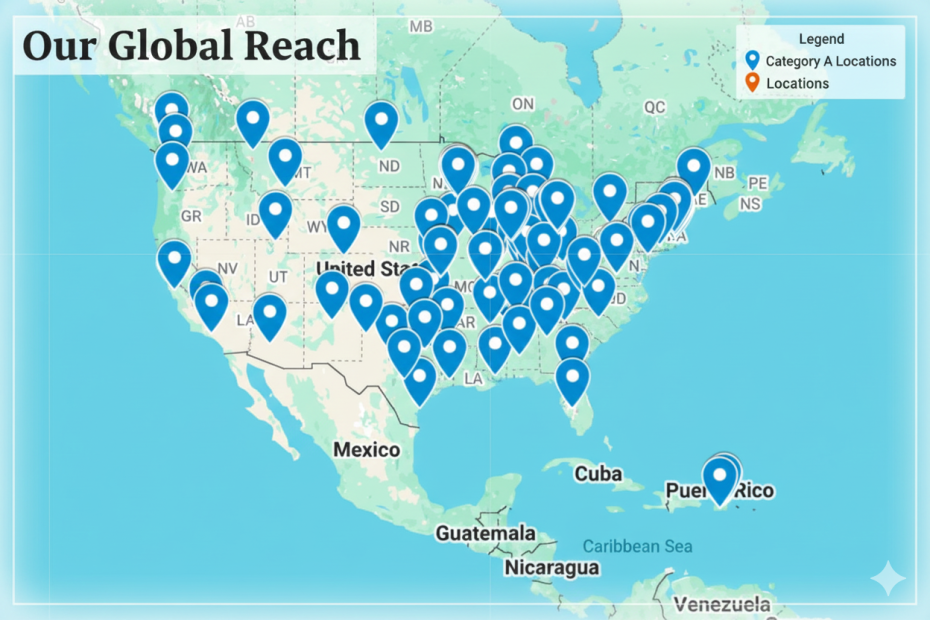
Now the most impactful component of the initiative is its crowdsourced reporting system. Often referred to as the people over papers crowdsourced ICE watch map, this tool allows users to view community-submitted reports of ICE sightings and activity. These entries are not confirmed law-enforcement actions; instead, they are moderated submissions meant to help residents stay informed and alert.
The purpose is not to incite panic or confrontation but to encourage preparedness and communication. Users are consistently reminded to cross-reference sightings with local rapid-response networks and legal aid organizations. Transparency and caution remain central values of the platform.
How Moderation and Anonymity Work
To reduce misinformation and misuse, submissions are reviewed by moderators before appearing publicly. This review process helps filter out duplicate entries, misleading reports, or potentially harmful content. In addition, contributors are not required to reveal their identity, reinforcing the principle of people over papers anonymous reporting.
Anonymity is essential for protecting vulnerable individuals who may fear retaliation or legal consequences. By lowering the barrier to participation, the platform encourages broader community involvement while still emphasizing responsibility and accuracy.
ICE Raids and the Risk of Racial Profiling
A major reason for the project’s growing relevance is the documented impact of immigration raids on U.S. citizens themselves. Reports from multiple news organizations have shown that ICE operations have, at times, detained or questioned American citizens including Native Americans and military veterans.
Incidents involving Native tribal members, particularly Navajo Nation citizens, have raised alarms about racial profiling. Many individuals reported being questioned solely based on appearance, language, or location. These encounters were described as distressing and, in some cases, traumatizing.
Such examples illustrate why community-based monitoring of people over papers ice activity has become an essential resource rather than a political statement.
Impact on Native American Communities
Native American citizens occupy a unique legal and cultural position in the United States, yet they have not been immune to immigration enforcement overreach. During large-scale raids, members of tribal nations living off reservation lands reported repeated questioning about their citizenship status.
Tribal leadership responded by advising citizens to carry identification and official documentation, including Certificates of Indian Blood. While these recommendations aim to reduce harm, they also underscore a troubling reality: legal citizenship does not always prevent discriminatory enforcement.
The visibility created through community reporting platforms has helped elevate these stories beyond local news cycles, ensuring they are not dismissed or forgotten.
When Military Service Is Questioned
In another widely reported case, a U.S. military veteran was detained during an ICE operation at a New Jersey workplace. Despite presenting valid military documentation, the individual’s status was questioned, prompting public condemnation from local officials.
Cases like this challenge the assumption that enforcement actions are narrowly targeted or error-free. They also reinforce the importance of initiatives like people over papers, which document patterns rather than isolated events.
Legal, Ethical, and Safety Considerations
It is important to clarify that the initiative does not promote violence, harassment, or obstruction of law enforcement. The data shared is informational only, accompanied by disclaimers emphasizing the possibility of human error.
Users are encouraged to treat reports as one data point among many, not as definitive proof of enforcement activity. Ethical use of the information focused on safety, legal awareness, and community support is repeatedly stressed.
Mobile Access and Community Reach
To increase accessibility, the platform has been adapted for mobile users, making it easier to view updates on the go. Some users also refer to the mobile experience as a people over papers app, though it functions primarily as a mobile-optimized web interface rather than a traditional app.
This mobile accessibility ensures that individuals without desktop access can still receive timely information, particularly during rapidly unfolding situations.
Public Response and Political Context
The initiative exists within a broader political conversation about immigration, national identity, and civil rights. Critics argue that crowdsourced maps may contribute to fear, while supporters counter that lack of transparency poses a greater risk.
Historical symbols, such as the Statue of Liberty’s inscription “Give me your tired, your poor, your huddled masses yearning to breathe free” are often cited to emphasize the moral dimensions of the debate. These references highlight the tension between stated national values and lived realities.
Why People-Centered Data Matters
Traditional enforcement statistics rarely capture the emotional and psychological impact of raids on families and neighborhoods. Community-generated data fills this gap by documenting experiences that might otherwise go unrecorded.
By centering individuals rather than paperwork, people over papers reframes the conversation around immigration enforcement as a human issue, not just a legal one. This shift in perspective is crucial for informed public discourse and responsible policy evaluation.
Limitations and Responsible Use
No crowdsourced platform is without limitations. Reports may be incomplete, delayed, or influenced by perception. For this reason, disclaimers clearly state that no guarantees can be made regarding accuracy or completeness.
Responsible users treat the information as a situational awareness tool rather than an authoritative source. Cross-checking with verified local organizations remains best practice.
The Future of Community-Driven Monitoring
As immigration enforcement continues to evolve, so too will community responses. Digital tools that empower individuals to share information responsibly are likely to play an increasing role in civic engagement.
Whether through expanded moderation, improved verification, or stronger partnerships with legal advocates, the evolution of people over papers reflects a broader trend toward participatory accountability.
Final Thoughts
In an era marked by heightened enforcement and social division, initiatives that emphasize humanity and caution serve an important function. People over papers is not about opposing law, but about ensuring that laws are applied without erasing dignity.
By encouraging awareness, documentation, and ethical information sharing, the movement offers communities a way to stay informed while advocating for a more humane approach to immigration enforcement.
FAQ About People Over Papers
Is the People Over Papers map accurate?
The map is based on community submissions reviewed by moderators, but sightings are not officially confirmed. Users should verify information with local rapid response groups.
Does People Over Papers support violence or interference?
No. The platform clearly states it does not condone violence, harassment, or obstruction of law enforcement.
Can ICE detain U.S. citizens?
Documented cases show that U.S. citizens, including Native Americans and veterans, have been questioned or detained during raids, often due to racial profiling.
Is reporting anonymous?
Yes, submissions can be made anonymously to protect individuals and communities